What is a Data Processing Agreement and Why Every Organization Needs One
Imagine your house keys are handed to a friend while you are going on vacation. You would probably leave a list of do’s and don’ts like watering the plants, do not forget to lock the doors, and please, no parties. Now, think of “house keys” with personal data and your “friend” as a third-party vendor. And that list of rules is what a Data Processing Agreement (DPA) is for your organization.
In this modern age where data is one of the most important assets a business holds, sharing it with external partners cannot be done casually. A DPA makes sure that whenever customer or employee data is processed by a third party, the rules of the game are clear, legal binding, and protection of everyone involved.
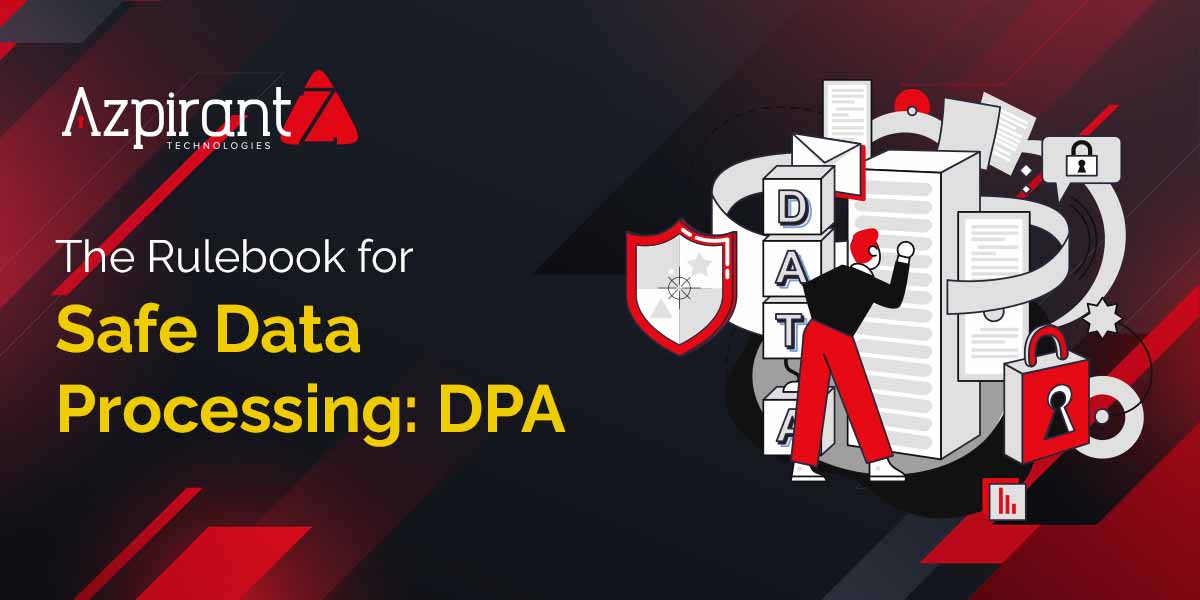
A Data Processing Agreement, it’s a legally binding contract between a data controller (the company that owns the data) and a data processor (the vendor who is handling data on controller’s behalf).
For instance:
- An online retailer company hiring a payment gateway to handle transactions.
- A hospital, to store patient records using cloud storage.
- A startup outsourcing payroll management to a third-party HR software.
In all these cases, personal data flows to another company. In this case DPA sets the rules: how the collected data can be used, what happens if something goes wrong, and how this data should be protected.
At first glance, a DPA might look like just another piece of legal paperwork, but it’s far more than that. Here’s why:
1. Legal Compliance
Privacy laws like the GDPR (General Data Protection Regulation), CCPA (California Consumer Privacy Act), and others explicitly require organizations to have contracts in place with data processors. Without a DPA, you’re not just being careless—you’re non-compliant.
2. Accountability and Clarity
A DPA spells out responsibilities. Who encrypts the data? Who reports a breach? Who ensures data deletion when the contract ends? Without this clarity, both parties could end up pointing fingers if something goes wrong.
3. Building client Trust
Today customers are privacy conscious. If they know about your organization taking data handling seriously—even if it is extending protection to third parties—you can earn their confidence. A DPA is one of those main invisible tools that makes trust possible.
Not all DPAs are created equal. A vague, boilerplate contract won’t cut it. A good DPA should cover:
- Scope of Processing: What data is being processed and for what purpose.
- Security Measures: Encryption, access controls, and other safeguards the processor must maintain.
- Sub-Processors: Whether the vendor can engage other third parties and under what conditions.
- Breach Notification: Clear timelines and responsibilities if a data breach occurs.
- Data Subject Rights: Ensuring the processor helps the controller honor requests like data access or deletion.
- End-of-Contract Terms: What happens to the data once the business relationship ends—must it be returned or destroyed?
Think of it like a prenuptial agreement for data. It doesn’t mean you expect things to go badly, but if they do, you’ll be glad you thought ahead.
Some common mistakes all organizations make
Even though DPA is important, many businesses hesitate in their approach. Here are some frequent drawbacks:
- Depending on Templates Alone: Copy-pasting DPAs without modifying them according to your specific relationship can leave dangerous gaps.
- Failing to Review Sub-Processors: If your third party passes data to another provider, you must make sure the same protection methods apply down the chain.
- Treating It as a single Task: A DPA is not “set and forget.” It should grow with changes in law, technology, and business needs.
If your company does not have DPAs in place, here’s a practical roadmap:
1. Identification of Data Processors: List out all third parties that handles personal data—from marketing vendors to cloud platforms.
2. Prioritizing High-Risk Relationships: Start with Third party vendors handling sensitive data or huge amounts of data.
3. Reviewing or Drafting DPAs: Work with legal counsel to make sure agreements meet both organization’s needs and regulatory requirements.
4. Communication with Vendors: Don’t just send them proper documen ts. Have discussions to align with security and compliance expectations.
5. Updating Regularly: When laws or business processes change, revisit DPAs regularly.
By the end, a Data Processing Agreement is not just a legal formality—it’s a protection for your organization, your partners, and most importantly your customers. It makes sure everyone handling personal data is following by the same rules, with accountability.
In a world where data breaches can make or break reputations, that one piece of paper might just be your strongest shield.
When your organization needs more than a generic contract or a “one size fits all” template for data‑sharing and vendor relationships, Azpirantz stands out as the partner that brings deep expertise, tailored solutions, and real accountability. Azpirantz doesn’t just hand over a boilerplate agreement; we help you build a robust Privacy Information Management System, assess privacy and security risks, and implement globally recognized standards (like ISO 27701, ISO 27018, GDPR, or India’s DPDPA) so that every step of data processing is compliant, transparent, and secure. Because they offer integrated services spanning cybersecurity, compliance, risk management, and ongoing support, you get peace of mind: your data is handled carefully, your vendor relationships are documented clearly, and your organization remains compliant even as laws and regulations evolve. With Azpirantz, Data Privacy isn’t an afterthought but a foundational capability, which builds client trust, reduces legal and breach-related risk, and ensures your business can scale without compromising privacy or security.
*This content has been created and published by the Azpirantz Marketing Team and should not be considered as professional advice. For expert consulting and professional advice, please reach out to [email protected].
We're Here To Help